
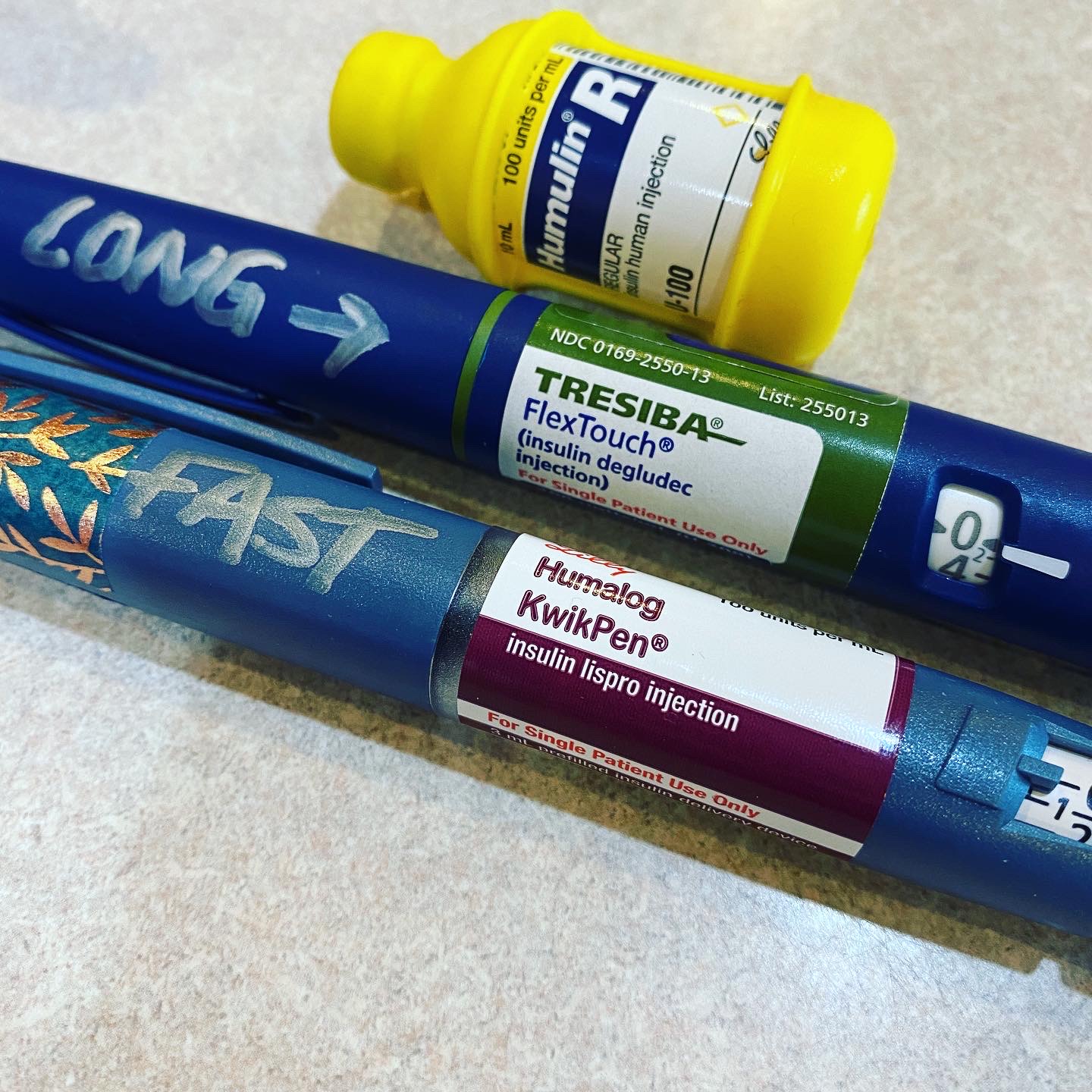
It is hard to admit this, but I didn’t know as much about insulin as I should have.
As a type 1 diabetic, my life depends on insulin 24 hours a day, and yet I realize that I knew only the basics about the hormone that controls my life. The more I study it, the more I realize how truly complex it is and how much it literally affects everything in my body.
For the record, I read the patient pamphlet and the entire insert that came with the insulin. It provided dosing, clinical studies for adults and children, drug interactions, pregnancy concerns, toxicology, warnings, and precautions. But that isn’t the whole story.
As a T1D patient, I needed to know more. I trusted the doctors and pharmacists to tell me what I needed to know and what concerns I should have. I was a good patient and did what I was told. I took my insulin as prescribed and as scheduled. My A1c was a controlled 6.7, and I didn’t seem to have any major diabetic complications in the 12 years since diagnosis.
The reality — I gained 100 pounds (45.5kg) in the first year of being on insulin. My blood pressure was out of control, and I was put on blood pressure meds, statins, diuretics, prednisone, and many other medications. — many of which increased my blood sugars and required me to take more insulin, which made me gain more weight and complicated things even more. I became morbidly obese, and I was in a never-ending cycle of being sick and being prescribed more medications, which made me even sicker.
Then, one day, I was listening to YouTube while I was working at my desk. I had been researching low-carb diets after discussing my health concerns with my cardiologist, and a video featuring Dr. Jason Fung, MD, was cued up. Dr. Fung was talking about type 2 diabetes and said, “I can make you fat – all I have to do is give you insulin.”
Wait! What did he say? I stopped my work and watched the entire video, and something sparked in me. How could I not have known more about this drug that my life depends on?
Dr. Fung was talking about information in his book, The Obesity Code. I went online and looked up the direct quote from the book. “I can make you fat — Actually, I can make anybody fat. How? By prescribing insulin. It won’t matter that you have willpower or that you exercise. It won’t matter what you choose to eat. You will get fat. It’s simply a matter of enough insulin and enough time.” (1)
I needed to know more and started watching videos after video of doctors and researchers talking about the benefits and the complications brought about by long-term, high doses of insulin. I was literally shocked at how much I did not know about my own medication.
I asked other diabetics if they had done research on their prescribed insulins and asked if they already knew what I was learning — and they did not. Why are we not asking more questions and doing more research when it comes to a medication that our lives depend on? Why do we implicitly trust our Dr’s, dietitians, and diabetes educators to tell us all that we need to know?
Learning more about insulin and how it affects my entire body – now and in the long term- has changed everything about how I manage my diabetes today. I was taking way too much insulin (100 units per day), and I could see that I was going to become insulin-resistant. I did not want to have both Type 1 and Type 2 diabetes (double diabetes) because I knew that was a death sentence.
Some of the information I was given at diagnosis was just plain wrong and misleading. Eating 40-60 carbs at every meal and 15 more carbs with snacks between meals and at bedtime is a recipe for disaster and it isn’t necessary. It keeps us on a roller coaster of low and high blood sugars, under-dosing and overdosing day after day, causing damage that we don’t physically see until the damage is done, and it is too late. We are carbohydrate intolerant as type 1 diabetics, yet our health care providers encourage us to consume carbohydrates like “normal” people and bolus to cover what we eat. Why?
Eating large amounts of carbohydrates regularly creates a need for more insulin. Over time, this leads to insulin resistance. Insulin resistance causes inflammation in our bodies, which raises blood glucose levels, requiring more insulin to lower them.
Insulin resistance has been shown to be a factor in other diseases and serious health conditions as well:
- Type 2 Diabetes
- Obesity (Adult and Childhood)
- Osteoarthritis
- Autoimmune Diseases (Such as Rheumatoid Arthritis and Lupus)
- Heart Disease
- PCOS (Polycystic Ovarian Syndrome)
- Erectile Dysfunction
- Sarcopenia
- Cancer
- Dementia
- Migraines
- Stroke
- High Blood Pressure
- Alzheimer’s (Type 3 Diabetes)
- Fatty Liver
- Fatty Pancreas
- Thyroid Disease
- Gastrointestinal Diseases (IBS, Crohn’s)
It isn’t just the high blood sugars we need to worry about. Studies show that high insulin levels increase the risk of disease— even when blood sugars are controlled with insulin. Another very important thing that I learned…. this affects non-diabetics as well. Eating large amounts of carbohydrates requires large amounts of insulin for everyone, whether it is produced by the pancreas or is injected. It is a vicious cycle that is causing health problems for all of us.
As soon as I started a very low-carbohydrate, healthy-fat diet (under 20 total carbs per day), my total insulin requirements (basal and bolus combined) dropped by 50%. Within just a few days, the long-term inflammation in my body started to reduce, my pain lessened, my blood pressure stabilized, my stomach issues settled, my mind cleared, and the weight started dropping as well. I was amazed at how quickly it all changed and I can’t wait to see how much things continue to improve over time.
1) Fung, Jason. The Obesity Code: Unlocking the Secrets of Weight Loss. Vancouver: Greystone Books, 2016.


